Hula Hoop FAQ
New to hooping, or shopping for your next hoop? These are the questions we hear most about choosing, using and caring for a hula hoop. Every Spinsterz hoop is handmade to order in Boulder, Colorado, so if your question isn't answered here, ask us — we're real humans and love hoop questions.
- Choosing the Right Hula Hoop
- Types of Hula Hoops
- Hooping for Fitness
- Setup and Hoop Care
- Orders, Shipping and Help
Choosing the Right Hula Hoop
The fastest way to find your size: take our Hoop Finder Quiz. Answer a few quick questions and we’ll tell you the exact diameter and tubing to look for.
What size hula hoop should I start with?
If you're new to hooping, choose a hoop that reaches about 2–4 inches above your belly button when you stand it upright on the ground next to you. Most beginners do best with a 38"–42" diameter hoop. Not sure? Take the Hoop Finder Quiz for a personalized recommendation.
What size hula hoop do I need for my height?
Use this as a general guide for beginner and fitness hoops:
- Under 5'0": 36"
- 5'0"–5'4": 38"
- 5'4"–5'10": 40"
- Over 5'10": 42"
Personal preference, fitness level and hoop weight matter too. Our hula hoop size guide walks through it step by step.
Is a bigger hula hoop easier to use?
Yes. Bigger hoops rotate more slowly and stay up longer, which makes them easier to learn with. Starting with a hoop that's too small is the #1 reason people get frustrated and quit. When in doubt, go bigger — you can always size down later.
What size hoop should I get as I improve?
Many hoopers start large and size down as their skills grow. Intermediate hoopers often use 34"–38" hoops for transitions and off-body moves, and advanced hoopers use 28"–34" (or smaller) for speed and technical tricks.
Types of Hula Hoops
What's the difference between weighted and lightweight hoops?
Weighted hoops spin more slowly, are easier to keep up, and give you more feedback on your body, which makes them ideal for beginners and exercise. Lightweight hoops are faster and more responsive and need better timing, so they're best once you've learned the fundamentals. If you're unsure, go slightly larger and heavier.
What's the difference between polyethylene and polypro hoops?
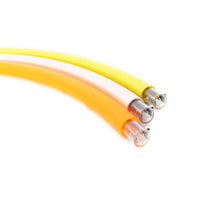
Our weighted beginner and fitness hoops are made from thicker polyethylene tubing, usually 3/4" to 1" thick — the thicker the tubing, the heavier the hoop. Polypro hoops are lighter and faster, which makes them great for dance, off-body moves and hand tricks. We also make taped polypro hoops.
Do you make travel hoops?
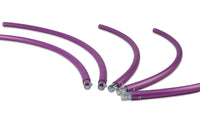
Yes. Our sectional travel hoops break apart into pieces and click back together, so they're easy to pack. Many of our one-piece hoops also coil down for travel with the push of a button.
Can I get one hoop in two sizes?
Yes. Our size-changing trainer hoops, like the 2 in 1 Trainer Hoop, start at 42" and become a 38" hoop when you remove the extra section as you progress.
Do you make weighted hoops for workouts?
Yes. Our weighted BodyJoy hoops are sectional and snap together, and they're built for exercise.
Do you make hoops for kids?
Yes — browse our kids and youth hula hoops.
Hooping for Fitness
Is hula hooping good exercise?
Hooping is a fun way to add cardio to your workouts, and it can be a gentle, low-impact workout. Our heavier exercise hoops are the easiest to learn with if you're an absolute beginner.
Can I lose weight with a hula hoop?
Hooping can be an effective cardio workout when used consistently, especially with a properly sized weighted hoop.
Where can I learn hula hoop moves?
Check out our hula hoop dance and fitness training videos.
Setup and Hoop Care
How do I unpack and set up my new hoop?
Each type of hoop is packaged a little differently. Our step-by-step guide on how to unpack and set up your hula hoop covers travel hoops, weighted hoops and coiled hoops, with videos.
Why is my hoop oval or bent when it arrives?
That's normal — it was packed tight for shipping. Lay it flat on the floor for at least 12 hours (24 hours is preferable) so it can relax back into a circle before you connect the ends.
How do I connect my hoop?
For one-piece hoops, insert the small end into the big end until you hear the snap button go "click." For sectional hoops, follow the taping pattern — if the tape doesn't match up across a joint, you have the wrong ends together.
How do I keep my hoop round and in good shape?
- Store your hoop hanging on a hook or lying flat.
- Don't coil it down too small for storage — that can kink the tubing.
- Keep it out of the heat, especially when it's collapsed. Heat can warp the tubing.
- Avoid cold temperatures, which can cause the tubing to crack.
My hoop's tape is scuffed. What can I do?
Concrete and hoops don't play well together, and taped hoops are expected to wear over time with regular use. Many hoopers keep a practice hoop for rough surfaces and save their shiny hoops for performances. A scuffed hoop just means you're hooping a lot!
Orders, Shipping and Help
Are Spinsterz hoops handmade?
Yes. Every hoop is handcrafted and made to order by our Hoop Elf Team in Boulder, Colorado.
Can I request a custom color?
Yes — just ask! Text us at 541-241-8727 or email support@thespinsterz.com.
I need my hoop by a certain date. What should I do?
Because hoops are custom made, please allow for build time. If you're in a hurry, select Priority Processing and a priority shipping speed at checkout, and let us know your date. See our shipping info for delivery times.
Where can I find answers about orders, tracking and warranty?
Our Customer Service FAQ covers order tracking, shipping costs and repairs, and our Warranty & Returns page explains what's covered.
How do I contact The Spinsterz?
Email support@thespinsterz.com or text 541-241-8727. Our in-office hours are 9am–3pm PST, Monday through Friday. You can also use our contact form.